05 Jan Symposium reimagines global health progress amid funding cuts
How can the world find its way back to a sustainable and just future for global health? In November, four eminent scholars set out their perspectives on how progress might be reclaimed at the annual Joep Lange Chairs and Fellows symposium in Amsterdam.
“From vertical success to systemic sustainability: reimagining the future of the global HIV response”
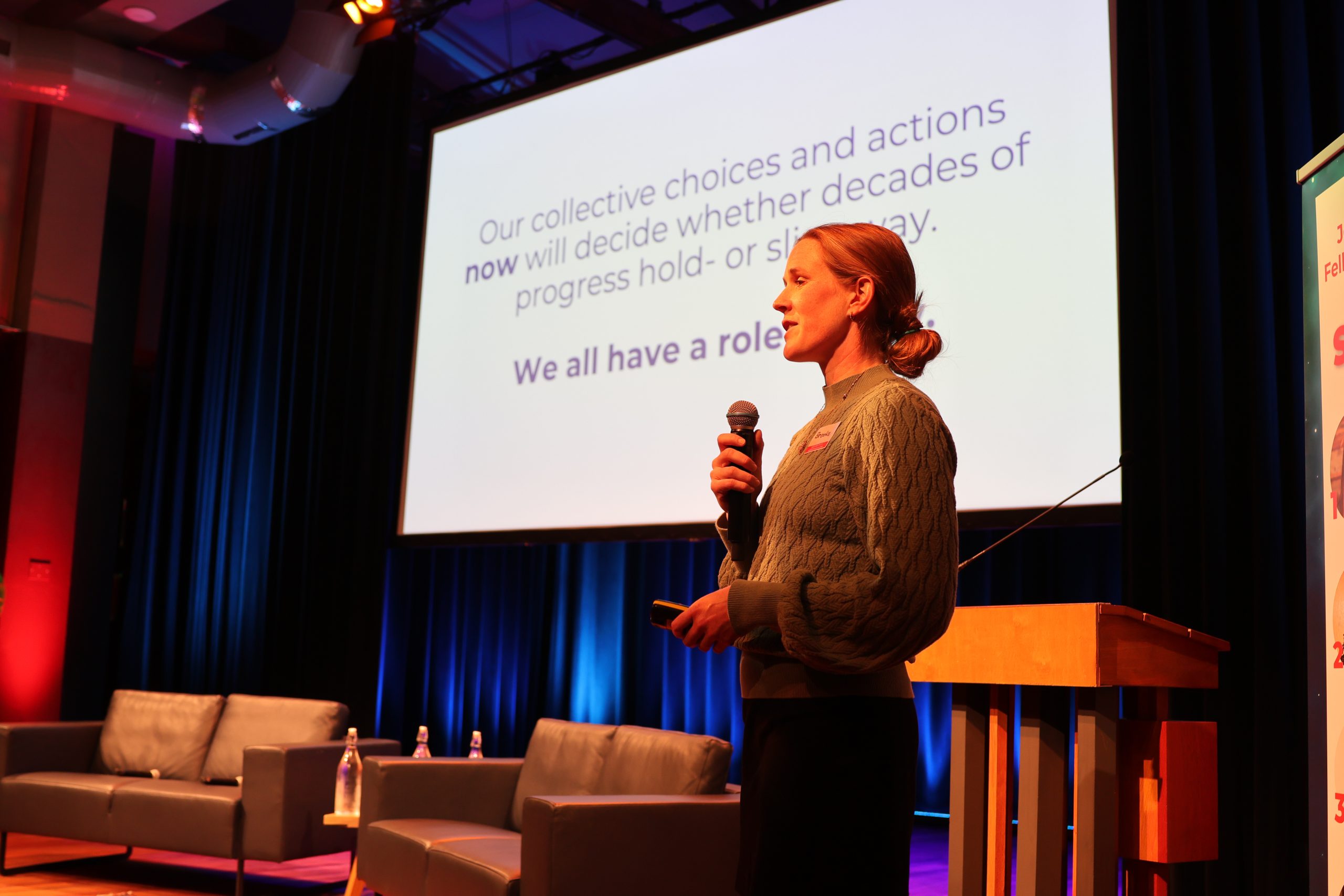
First to the floor was Brooke Nichols, associate professor at Boston University School of Public Health. She took attendees on a historic tour of the HIV activism that was needed to achieve equitable access to lifesaving antiretroviral therapy. Thanks to the establishment in 2003 of the US President’s Emergency Plan for AIDS Relief (PEPFAR), focused on 15 priority countries, the number of people accessing antiretroviral treatment in sub-Saharan Africa shot up from 100,000 in 2002 to 10.7 million in 2014.
But this success came with a price: the siloed HIV clinics PEPFAR created reduced country ownership and created inefficiencies. The recent slashing of funding by the US creates an opportunity for integration, leading to a reduction in the total cost of a system while potentially achieving improvements in total health outcomes.
“From a health economics perspective, we started getting fewer and fewer gains from the additional money we were putting in,” Nichols remarked. “We can now rethink how we fund, and I hope that it’s the moment for that to start to happen.”
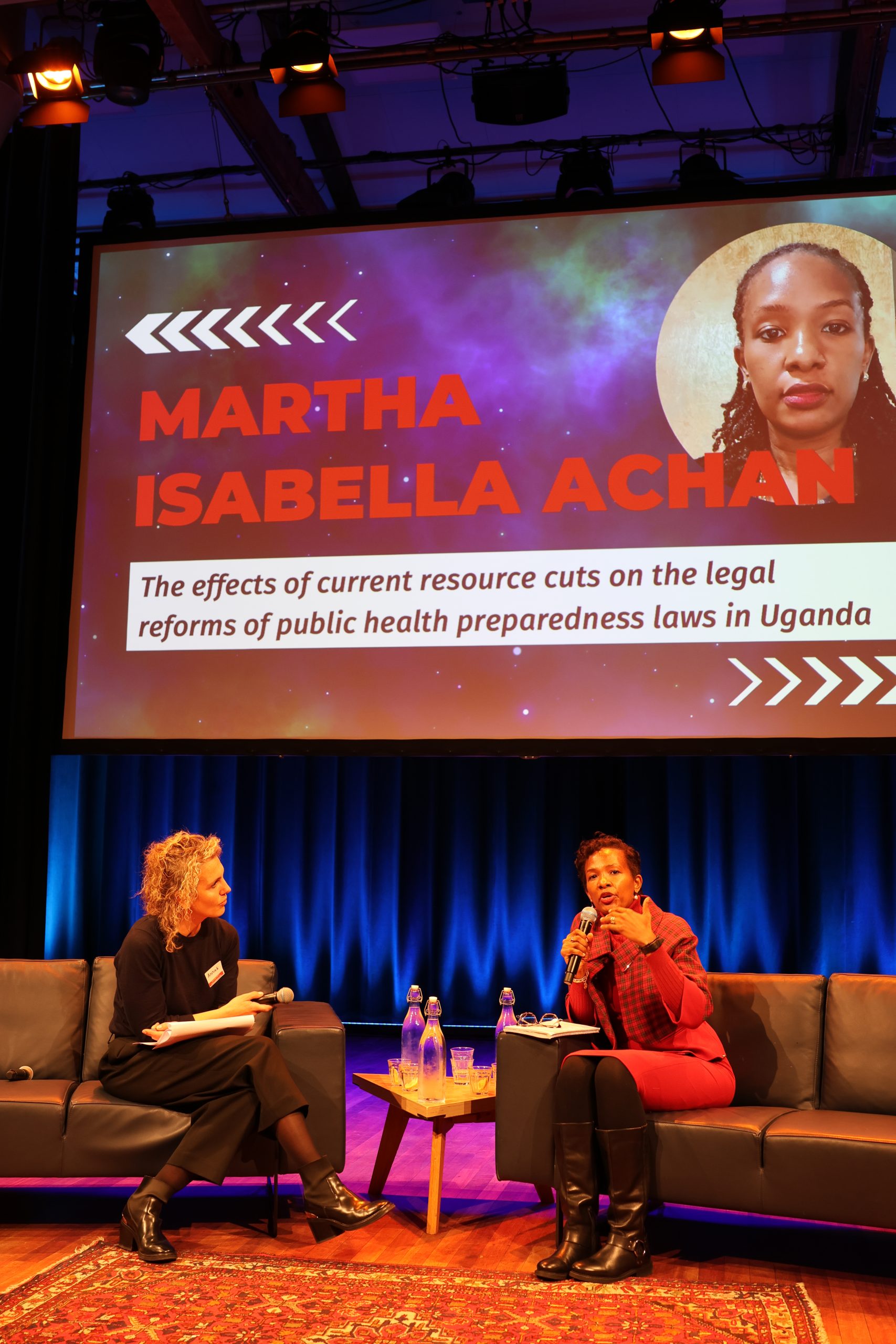
Martha Achan Isabella, senior legal advisor attached to the Infectious Diseases Institute at Makerere University in Uganda, focused on financial support for legal reforms. In her home country of Uganda, she worked on reforming the country’s 80-year-old public health law. But with global health funding collapsing, there is even less backing for this vital scaffolding of good health governance.
“HIV-1 vaccine development in a changing funding landscape”
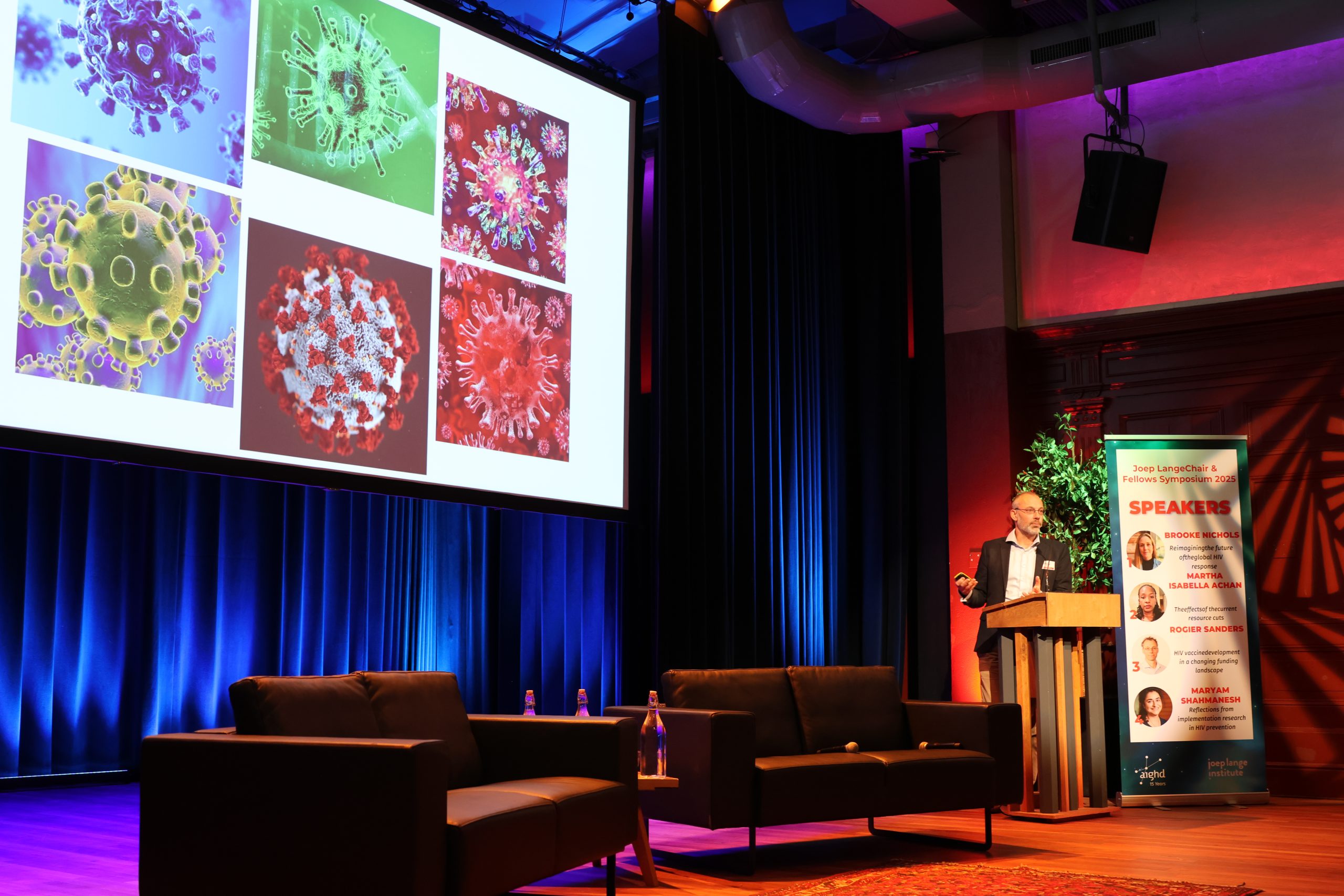
Rogier Sanders, professor of virology at the Amsterdam UMC, had to watch in frustration as the trial to test the HIV vaccine he helped develop fell victim to the USAID stop-work order in January 2025. Thankfully, with the Gates Foundation dramatically stepping up funding, the project is set to commence in mid-2026.
Finally, Maryam Shahmanesh, NIHR global research professor at University College London and director of implementation science at the Africa Health Research Institute, provided an overview of their peer support projects in a rural part of South Africa’s KwaZulu-Natal province.
Through implementation science, she and her team investigate how to effectively introduce new products on the back of proven old approaches, such as sexual health services and peer support. They produced the first randomised control trial showing that offering testing for sexually transmitted infections and sexual health services increases demand for HIV prevention by 60%.
“The big issue is that the dramatic cut in PEPFAR funding has meant that many innovations can’t happen slowly,” said Shahmanesh. “We’re in a period where governments have to manage the fallout from dramatic declines and pick up HIV treatment, in particular.”
During the symposium, the winner of the 2025 Eijkman Medal for outstanding contributions to global health with a strong connection to the Netherlands was announced. Prof. Fitsum Tadesse, research leader at the Armauer Hansen Research Institute (AHRI) in Addis Abeba, Ethiopia and visiting professor at Radboud UMC in Nijmegen, took the honours for advancing malaria control.
Anniek de Ruijter, Senior AIGHD Fellow and director of the Amsterdam Law School’s Law Center for Health & Life, expertly moderated the event. More than 50 people attended the symposium and networking drinks in person, with several following the event online.
You can watch the recording on our YouTube channel.
-
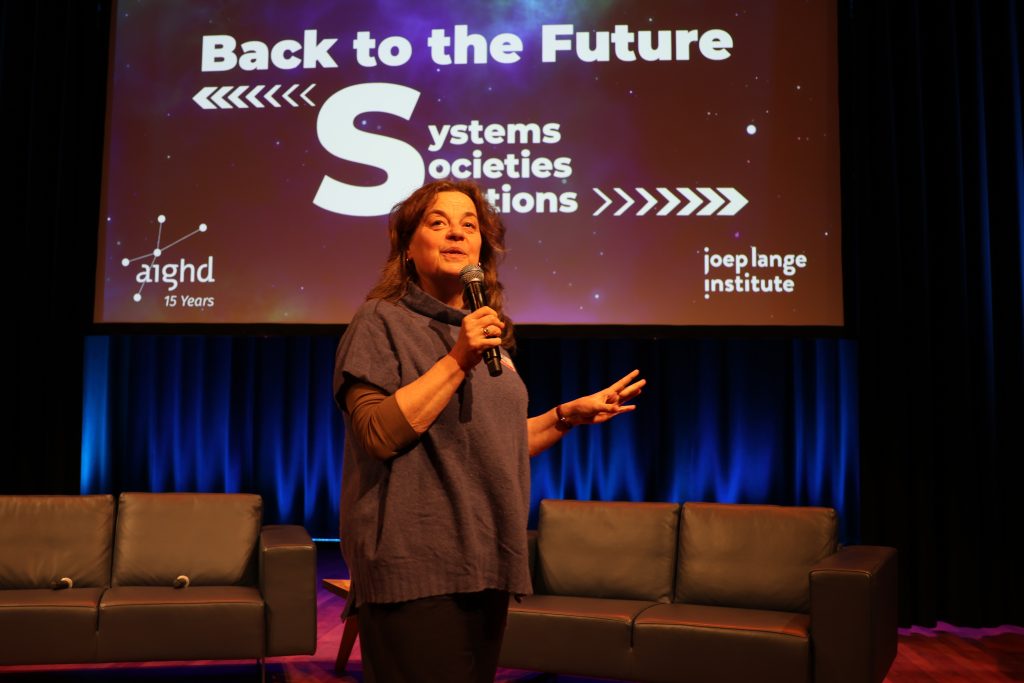
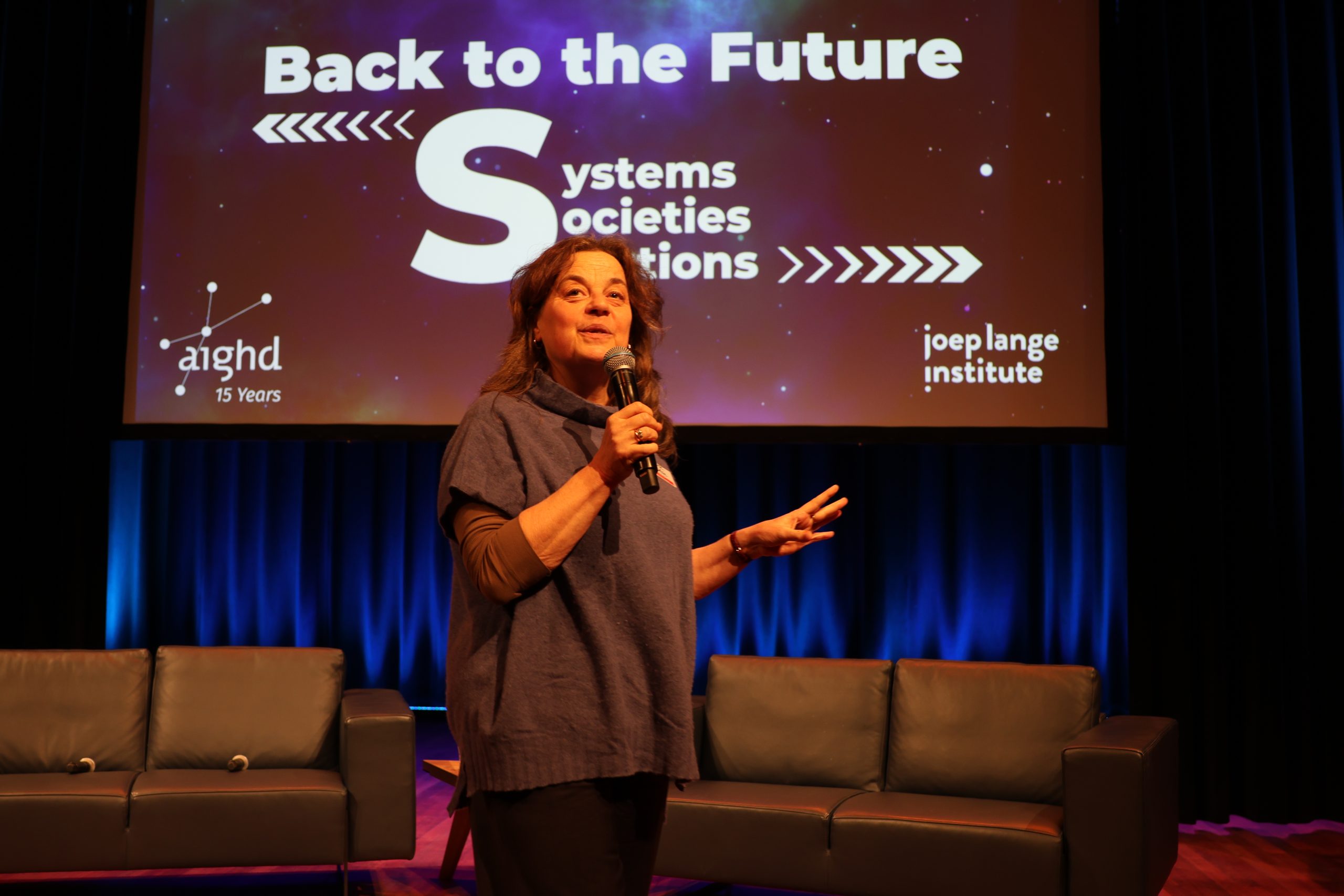
- Prof. Constance Schultsz, AIGHD’s Director of Science, welcomed attendees.
-
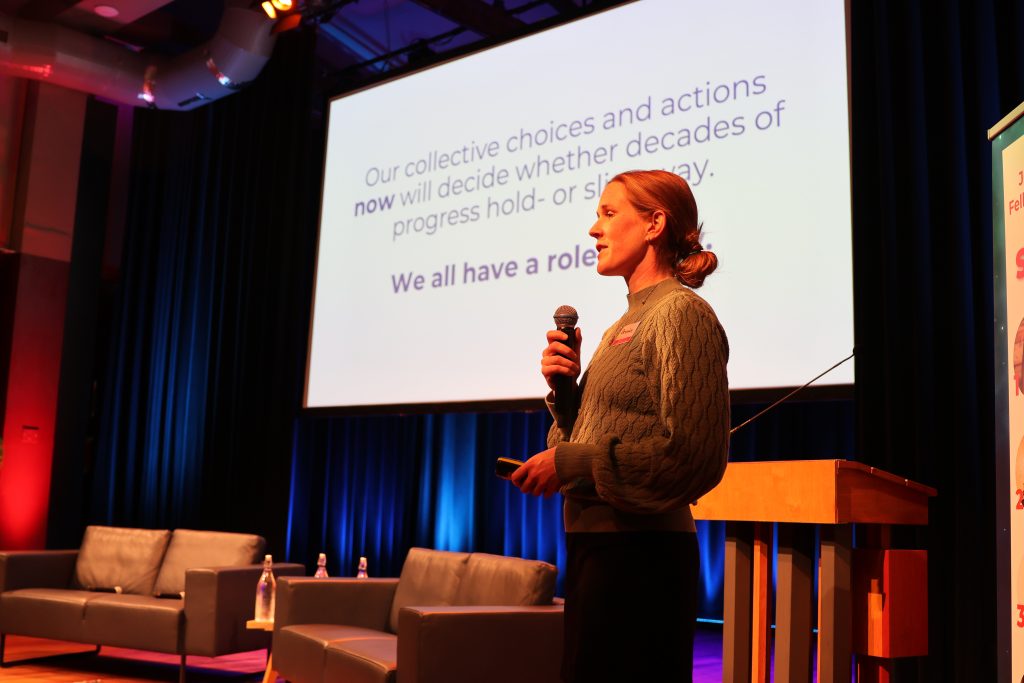
- Dr Brooke Nichols
-
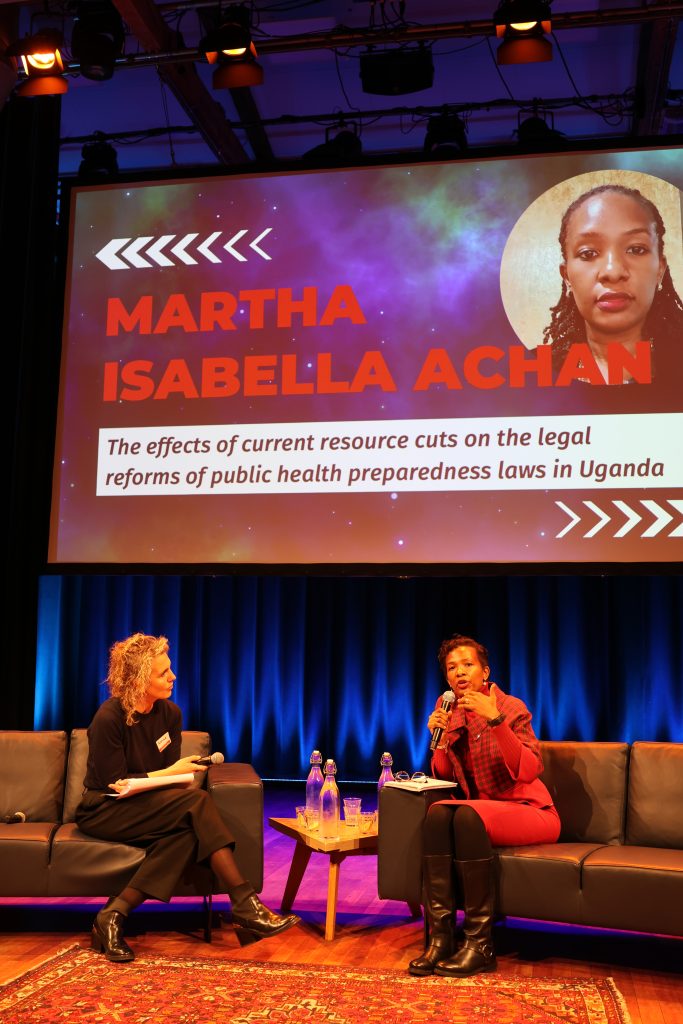
- Martha Isabella Achan in conversation with moderator Prof. Anniek de Ruijter.
-
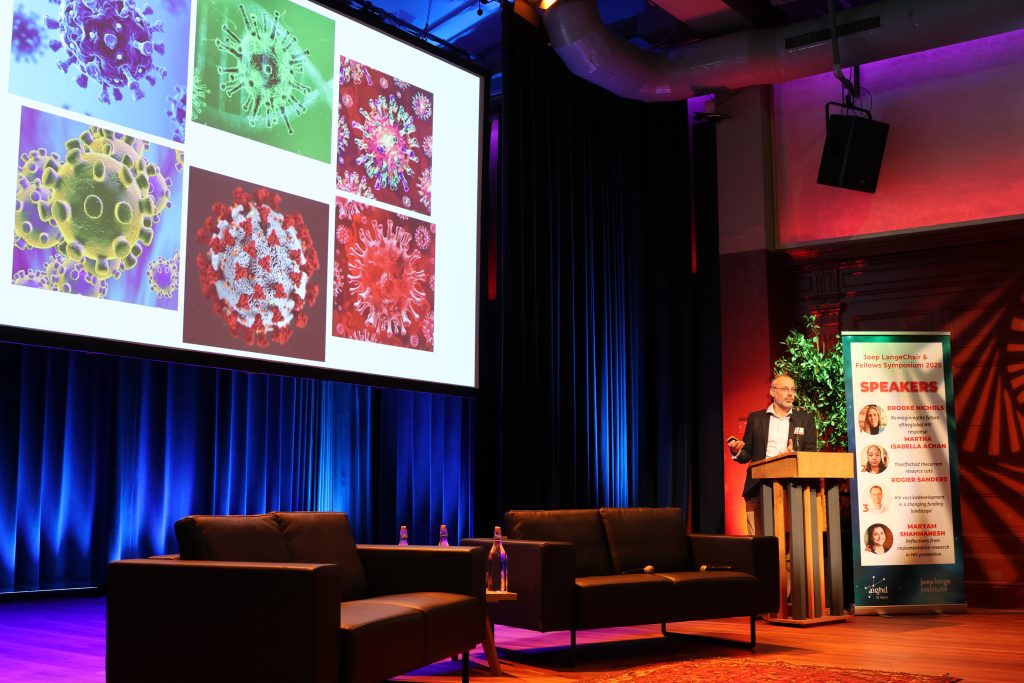
- Dr Rogier Sanders
-

- Dr Rogier Sanders talks with moderator Prof. Anniek de Ruijter.

-
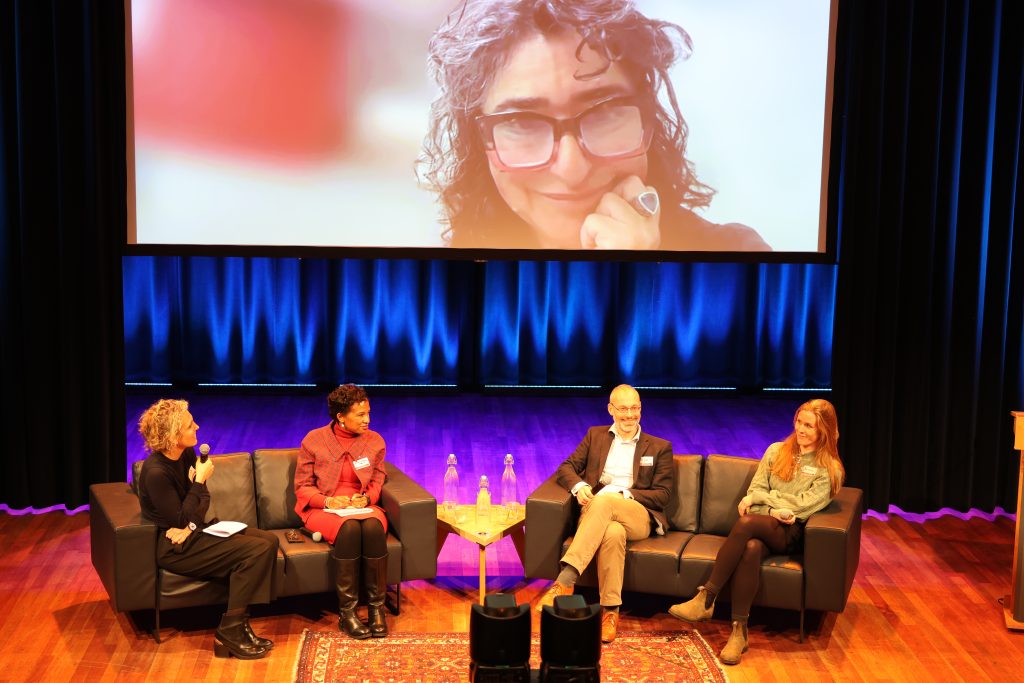
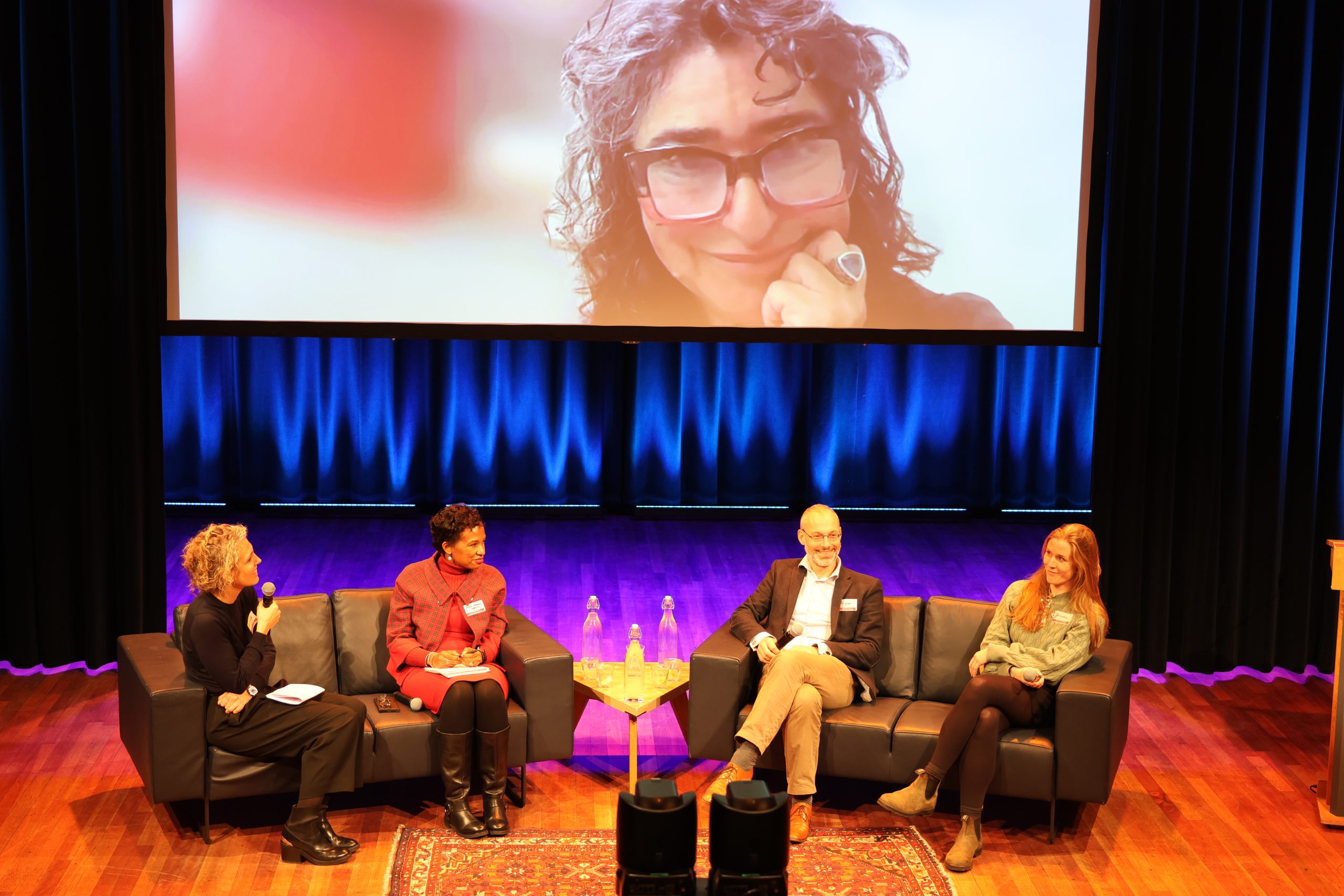
- The panel in discussion.
-
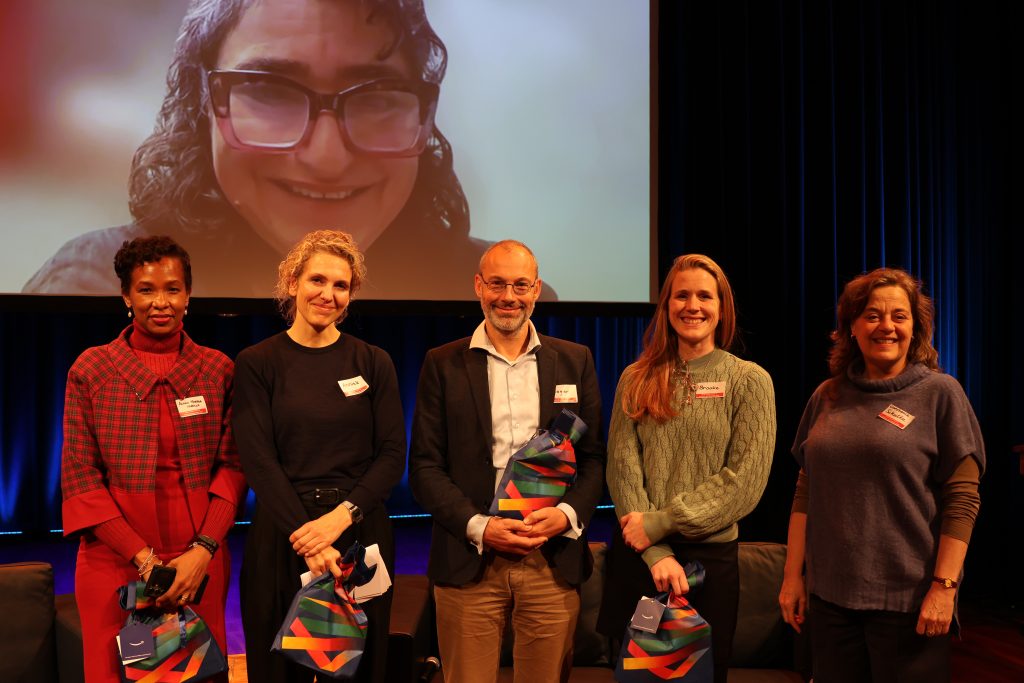
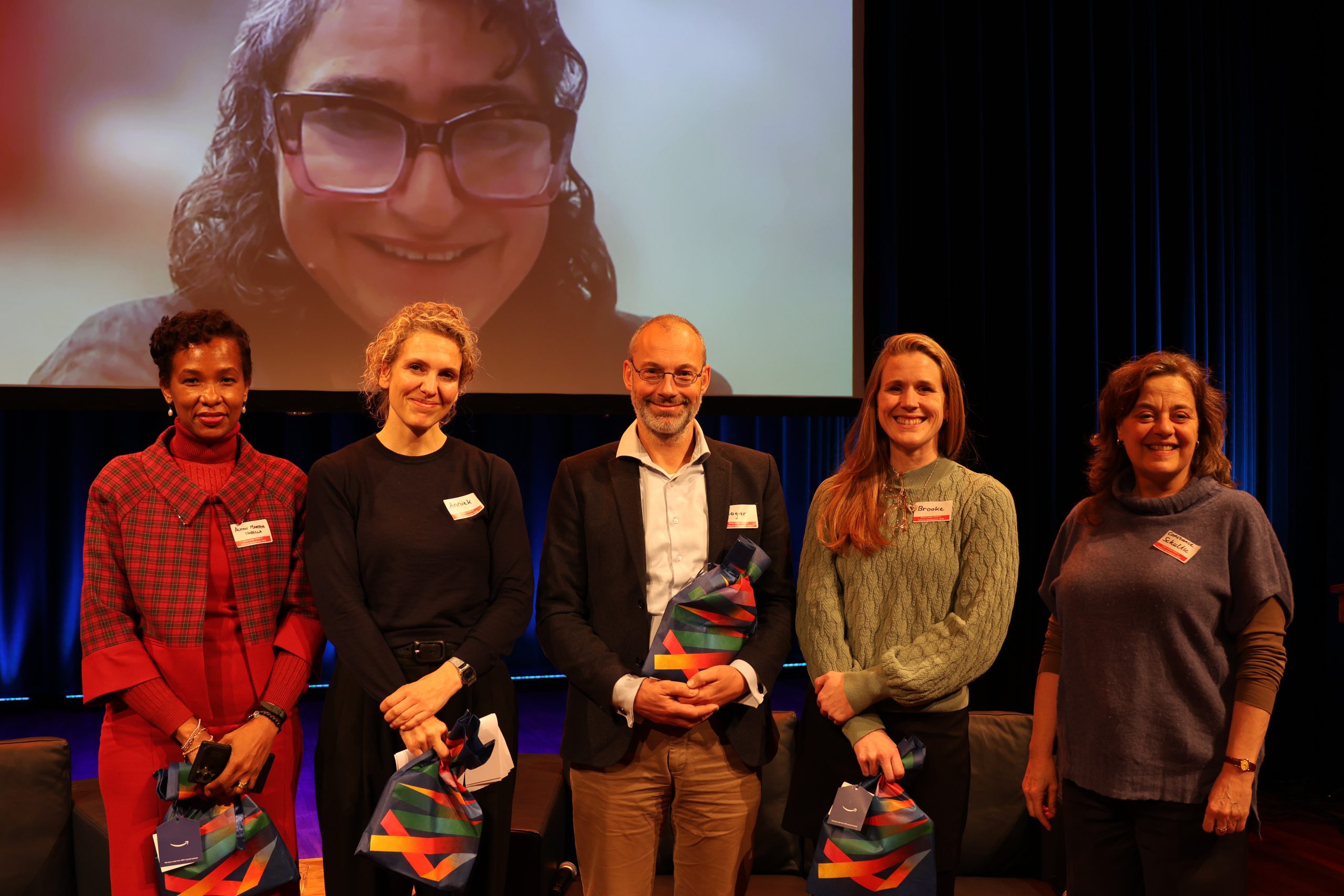
- The speakers and moderator with Prof. Constance Schultsz.